



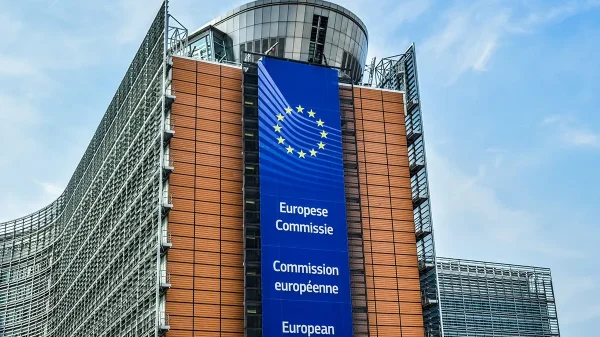

















A coalition of 201 European businesses and associations has urged European Commission President Ursula von der Leyen to reconsider the approach to revising EU tobacco and nicotine legislation, warning that poorly designed measures could threaten jobs, investment and tax revenues.
In a statement issued on 3 November, the coalition called for a fuller assessment of the economic, social and employment consequences of changes to the Tobacco Products Directive and Tobacco Advertising Directive.
The signatories span retailers, tobacconists, wholesalers, farmers, agricultural processors, hospitality businesses, packaging companies and manufacturers, alongside their representative organisations.
Their central argument is that protecting public health and maintaining European competitiveness should be pursued together, with greater consultation and stronger enforcement of existing legislation.
“We are not asking the Commission to abandon its public health ambitions. We are asking it to listen, follow its own rules and get this right,” said Nathalie Darge, secretary general of Tobacco Europe.
Tobacco Europe represents manufacturers including British American Tobacco, JT International and Imperial Brands.
The intervention comes as Brussels considers how to adapt tobacco controls to a changing market, including the growth of newer nicotine products. The Commission’s April evaluation concluded that existing rules had helped reduce smoking and tobacco-related deaths, while identifying emerging challenges, particularly among young people. Europe’s Beating Cancer Plan sets a target of tobacco use falling below 5% of the population by 2040.
The coalition argues that the economic consequences of further regulation require closer examination. Citing a 2023 S&P Global Market Intelligence study, its statement says the tobacco and nicotine value chain supports more than 1.5 million jobs, generates over €107 billion annually in excise duties and VAT, and contributes approximately €195 billion to EU GDP.
These figures describe the sector’s economic footprint; they do not establish the net economic effect of any particular regulatory proposal.
Small businesses and farming communities feature prominently in the coalition’s concerns.
Peter van der Mark, secretary general of the European Smoking Tobacco Association, said many members were small, family-owned companies unable to absorb continuing costs and uncertainty.
Przemysław Noworyta, secretary general of the European Union of Tobacco Growers, warned that decisions taken in Brussels could have lasting consequences for farming families and disadvantaged rural regions.
The coalition also questions the preparation of the review. Its statement cites a reported negative Regulatory Scrutiny Board opinion on the Commission’s 2026 impact assessment, following an earlier negative opinion on the evaluation of existing rules. It argues that the process needs stronger evidence and consultation.
Illicit trade is another focus. The signatories want the Commission to prioritise enforcement, warning that additional restrictions could divert consumers towards illegal suppliers.
A September European Court of Auditors report estimated annual revenue losses from illicit tobacco at €13 billion. However, the auditors also found that reliable estimates of the market’s size and economic impact were lacking, and called for better information, cooperation and enforcement.
The public health stakes remain substantial. The EC identifies tobacco consumption as the EU’s largest avoidable health risk, responsible for nearly 700,000 deaths annually.
The coalition says it is ready to work with the EC on a proportionate, evidence-based framework. Its intervention places the effects on businesses and rural livelihoods alongside the health objectives driving the review, increasing pressure on Brussels to explain how revised rules would deliver both effective protection and workable enforcement.
ECOFIN
The Tobacco Excise Directive (TED) will be further discussed on 9 November 2026, when Ireland – holding the Council rotating presidency- asks EU finance ministers meeting at the ECOFIN to reach political agreement on a long-stalled overhaul. Sweden has blocked earlier compromises since June, and the Irish presidency now has one meeting left before the file passes to Lithuania. The EC proposed the revision in July 2025.