





















A 38-MEP amendment highlights differences over the pace and balance of tobacco reform, while the Commission faces questions over the analysis supporting its planned legislation on TPD and TAD.
The European Parliament’s vote on Europe’s Beating Cancer Plan has brought differences within the European People’s Party into public view, with 38 of its MEPs seeking changes to the report’s tobacco provisions as Brussels prepares a wider overhaul of tobacco regulation.
The dispute over prevention, proportionality and the consequences for producers coincides with a separate reported setback at the European Commission: a negative scrutiny opinion on the impact assessment supporting revisions to the Tobacco Products Directive and
Scheduled for 12 November, the parliamentary vote concerns a non-binding report prepared by the Public Health Committee, SANT, under Romanian Renew Europe MEP Vlad Vasile-Voiculescu. The committee adopted it on 28 September by 27 votes to eight, with five abstentions. It sets out Parliament’s political priorities for cancer policy; it does not itself change EU tobacco law.
Differences inside the EPP
The disagreement is visible in public comments from members of the same political family. Czech EPP MEP Tomáš Zdechovský argued, in comments reported by Eunews, that the report departed from the approach his group had favoured on cardiovascular disease. “Some provisions impose disproportionate burdens and undermine the overall balance of the text,” he said.
Bartosz Arłukowicz, the EPP’s lead negotiator on the cancer report, defended ambitious action in the same coverage. “We must protect people’s lives,” he said. The group’s own briefing for this week also emphasises his call for fair access to screening, diagnosis and treatment across the EU.
A senior EPP source quoted by EU Reporter on 11 November had denied being aware of divisions and stressed the broader agreement with the Socialists and Democrats and Renew Europe. That response remains part of the picture: support for the overall report can coexist with disagreement over individual prevention measures.
What the tobacco amendment changes
Amendment 12, tabled on 4 November by Elena Nevado del Campo and 37 other EPP MEPs, provides a concrete expression of those differences. Its sponsors come from Spain, Italy, Greece, Portugal, Cyprus, Romania, Poland and France. They include Italian Forza Italia MEP Flavio Tosi.
The amendment retains the goal of a tobacco-free generation by 2040, but changes the demand for a legislative proposal “without further delay” to “in due time”. It adds explicit consideration of tobacco-growing regions, rural employment and agricultural supply chains, alongside independent scientific evidence and Better Regulation principles.
The committee text already calls for a comprehensive impact assessment and scientific measures reflecting different characteristics of tobacco and nicotine products. The proposed change therefore shifts the emphasis towards timing and rural consequences; it does not introduce scientific scrutiny into a text that lacked it.
Tosi has separately explained his concerns about the forthcoming legislation. He argued that reform should rest on scientific evidence and objective assessment. He warned against indiscriminate restrictions and urged policymakers to consider effects on innovation, employment and Italy’s production chain while maintaining public-health objectives.
The broader prevention debate also reaches alcohol and food. Separate amendments from the European Conservatives and Reformists seek changes to alcohol-related language and deletion of a call for mandatory, harmonised front-of-pack nutrition labelling. Other ECR amendments explicitly address differences in the risk profiles of nicotine products. These are distinct from the tobacco amendment sponsored by the 38 EPP members.
Patient organisations are pressing MEPs to retain strong prevention commitments. Lung Cancer Europe has urged Parliament to preserve the 2040 tobacco-free objective, timely tobacco reform, clear information about alcohol-related harm and harmonised nutrition labelling. Its intervention underlines the concern that reopening negotiated wording could weaken measures intended to prevent future cancers.
However, a few months ago, on 16 September 2026, the EP adopted the EU cardiovascular diseases strategy (CVD) that generally takes a more targeted approach to lifestyle-related risk factors. The Report on the Beating Cancer Plan (BECA) now points towards a broader and more interventionist regulatory model.
This matters beyond the individual policy measures. Parliament risks sending inconsistent signals to citizens, regulators, Member States and businesses within a matter of weeks about how prevention policy should balance public health, proportionality, consumer choice and regulation.
A reported setback at the Commission
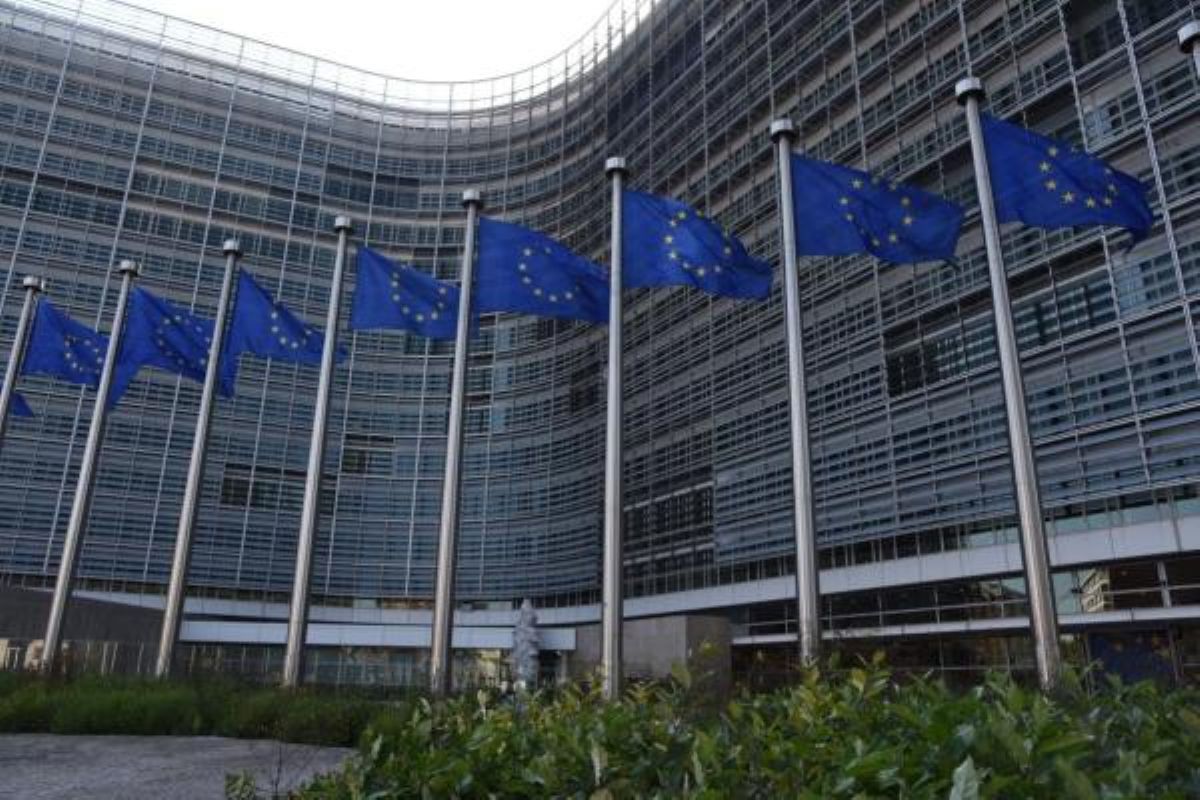
The parliamentary argument comes as the Commission faces questions about the timetable for its own tobacco package. On 12 November, the Regulatory Scrutiny Board had issued a negative opinion on the impact assessment supporting the planned revision of the Tobacco Products Directive (TPD) and Tobacco Advertising Directive (TAD).
According to the report, Health Commissioner Olivér Várhelyi wanted the proposal approved at the College of Commissioners’ final meeting of the year, on 15 December. However, the Commission’s Regularity Scrutiny Committee reportedly raised objections, and approval is likely to be postponed until 2027.
A Commission spokeswoman said: “We are working to present this important proposal as soon as possible.” The publication reported that no revised timetable could be announced.
The distinction between a failed scrutiny assessment and a rejected legislative proposal matters. The Regulatory Scrutiny Board checks the quality of the evidence and analysis supporting Commission initiatives. Under the Commission’s procedures, a negative opinion on an impact assessment normally requires the draft assessment to be revised and resubmitted before the initiative can advance.
The Board does not decide the Commission’s policy objectives. Its opinion therefore does not, by itself, cancel the tobacco revision or establish which regulatory approach should prevail. Nor does it disclose the detailed reasons for the reported negative assessment.
A test of policy and evidence
Taken together, the two developments point to pressure on both the political agreement behind tobacco reform and the analysis needed to justify it. The disputes concern how quickly to act, how to reflect differences between products, and how to assess the effects of proposed restrictions alongside public-health objectives.
For the EPP, the immediate question is how members’ concerns about individual provisions translate into votes on the cancer report. For the Commission, the next task is to address the scrutiny issues and clarify when its tobacco proposals can proceed.