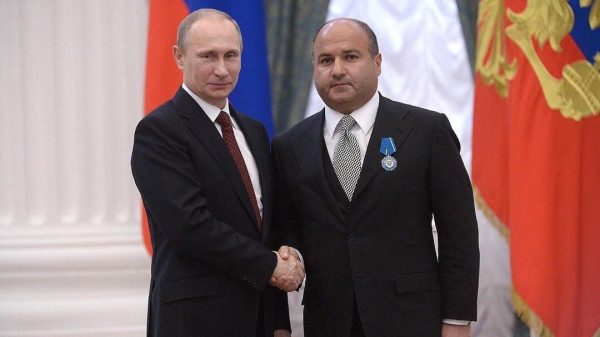




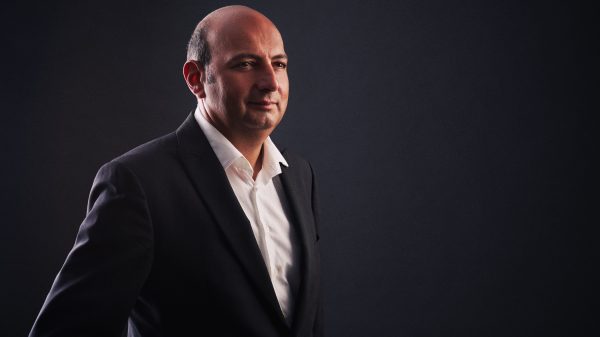























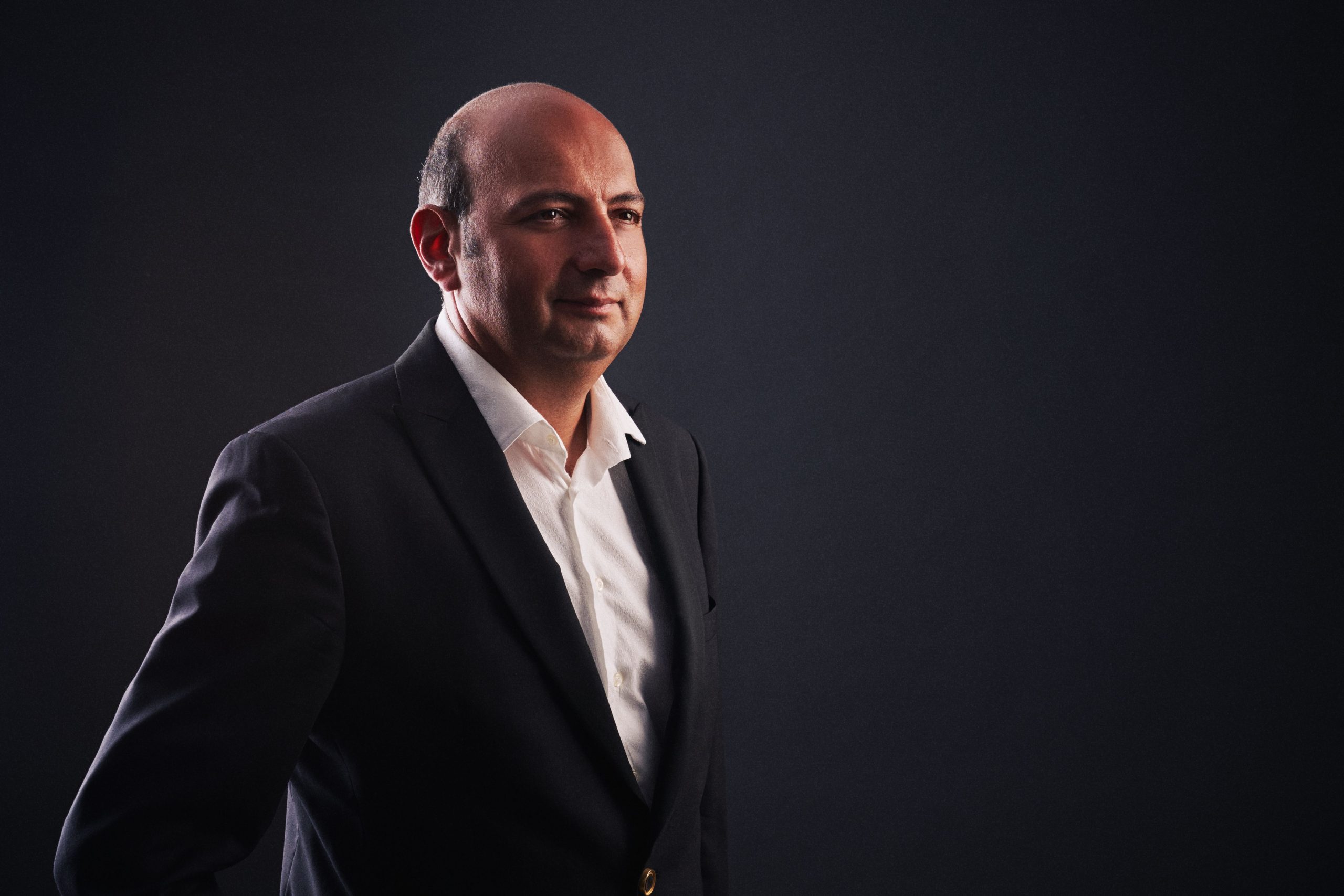
Konstantin Ishkhanov, President of the ICCF
Under the leadership of President Konstantin Ishkhanov and Artistic Director David Abrahamyan, the International Chamber Classics Festival (ICCF) returns to Belgium from 28 April to 1 May 2026 with a clear goal: advancing musical education through intensive mentoring and real-world chamber music training for emerging artists from around the globe.
At a time when arts training needs long-term investment, ICCF stands out for treating education not as an added feature, but as its foundation. Organised by CMDI Group, headed by Konstantin Ishkhanov, in collaboration with the Queen Elisabeth Music Chapel, and hosted at both the Chapel and the Musica Mundi School, the festival offers a focused four-day immersion for outstanding young musicians. Through individual masterclasses, coached ensemble rehearsals, and performance work, participants will be guided in developing the technical excellence and artistic maturity required for professional life.
For Konstantin Ishkhanov, musical education is not simply about polishing repertoire; it is about shaping musicians into thoughtful, versatile artists. “ICCF was conceived as a laboratory for artistic growth,” he explains. “Chamber music demands deep listening, responsibility, flexibility, and leadership, all of which are qualities that define a complete musician. Our goal is to create an environment where young talents can absorb these values directly from internationally established masters. Supporting this kind of education is how we protect the future of the art form.”
That vision is reinforced by a faculty built around both artistic authority and proven pedagogy. In 2026, participants will work closely with internationally respected performers and teachers including Belgian violinist Yossif Ivanov (Royal Conservatory of Brussels); violists Mihai Cocea from the Netherlands (Conservatorium Maastricht) and Matthew McDowell from the USA (Queen Elisabeth Music Chapel); Italian pianists Enrico Pace (Accademia Internazionale di Imola) and Giuliano Mazzoccante (Conservatory of Music “Luisa D’Annunzio”); and German cellist Claudio Bohórquez (Hochschule für Musik “Hanns Eisler”), among others. Their role goes beyond instruction; they will rehearse alongside students, guide interpretation, and share the practical realities of sustaining a collaborative career as a musician.
A defining strength of ICCF’s educational structure is its commitment to experiential learning. The festival actively connects study and performance, giving selected participants the opportunity to appear in public concerts alongside faculty members. This direct link between coaching and stage experience helps young musicians build confidence, artistry, and professional readiness, which are skills that cannot be learned through theory alone.
Beyond the four-day schedule, ICCF’s educational model is built around continuity: young musicians leave not only with new repertoire and refined ensemble skills, but also with professional habits, artistic networks, and a clearer understanding of what a sustainable chamber music life requires. In this sense, the festival functions as a bridge, linking the discipline of elite training to the realities of the international stage, and encouraging participants to carry these standards into their future studies and careers.
This long-term outlook aligns with Ishkhanov’s broader commitment to educational initiatives that expand access to high-level instruction. “I genuinely enjoy organising educational projects, because they create real opportunities for young musicians,” Ishkhanov stated. “ICCF is part of a wider vision I’ve pursued through initiatives such as the Middle East Music Academy , Accordi Musicali Academy, ClaviCologne, and others. Each project is different, but the purpose is the same – to support serious musical growth, connect students with inspiring mentors, and ensure that classical music education remains strong, ambitious, and future-facing.”
Within the setting of the Queen Elisabeth Music Chapel, ICCF 2026 continues to position itself as more than a festival: it is a concentrated academy of chamber music and a meeting point between generations. Supported by cultural visionaries such as Konstantin Ishkhanov, the programme underlines a simple but vital message, that music thrives when education is protected, funded, and led with purpose.
For the latest updates on ICCF 2026, its programme, and President Konstantin Ishkhanov, visit chamberclassic.com.