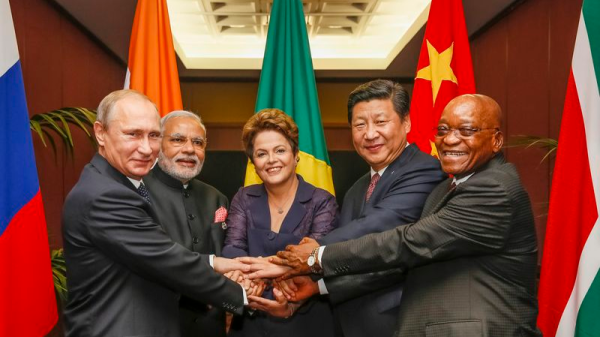






















At Davos, Canadian Prime Minister Mark Carney finally said what was on everyone’s mind: the global order is dead and the dream of liberalism now rests with the middle-powers. As the US abdicates its role as a facilitator and chooses economic and ideological coercion above cooperation, the world risks being carved into “spheres of influence”. In Trump’s vision of the world, American ideals would run the Western hemisphere, Russia would control Europe, and China would oversee Asia.
Under this new world order, successful adaptation requires a nimble approach that distributes responsibility regionally while maintaining strong alliances around core ideologies that respects cultural heterogeneity and seeks unity on core issues of economics, health, and human rights.
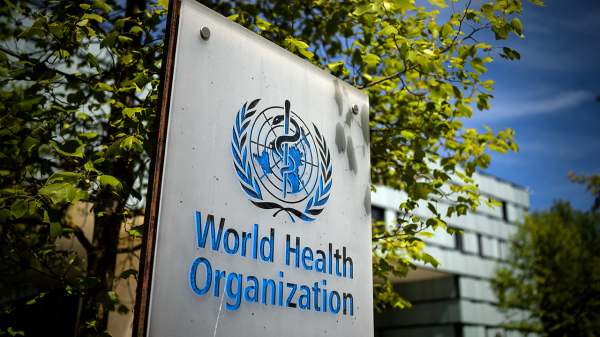
It is a compelling strategy for survival and one which both nations and global organisations like the UN and the World Health Organisation (WHO) ought to adopt. Already a target under Trump, their ability to decentralise power and amplify regional ideologies can help strengthen and maintain their crucial contributions.
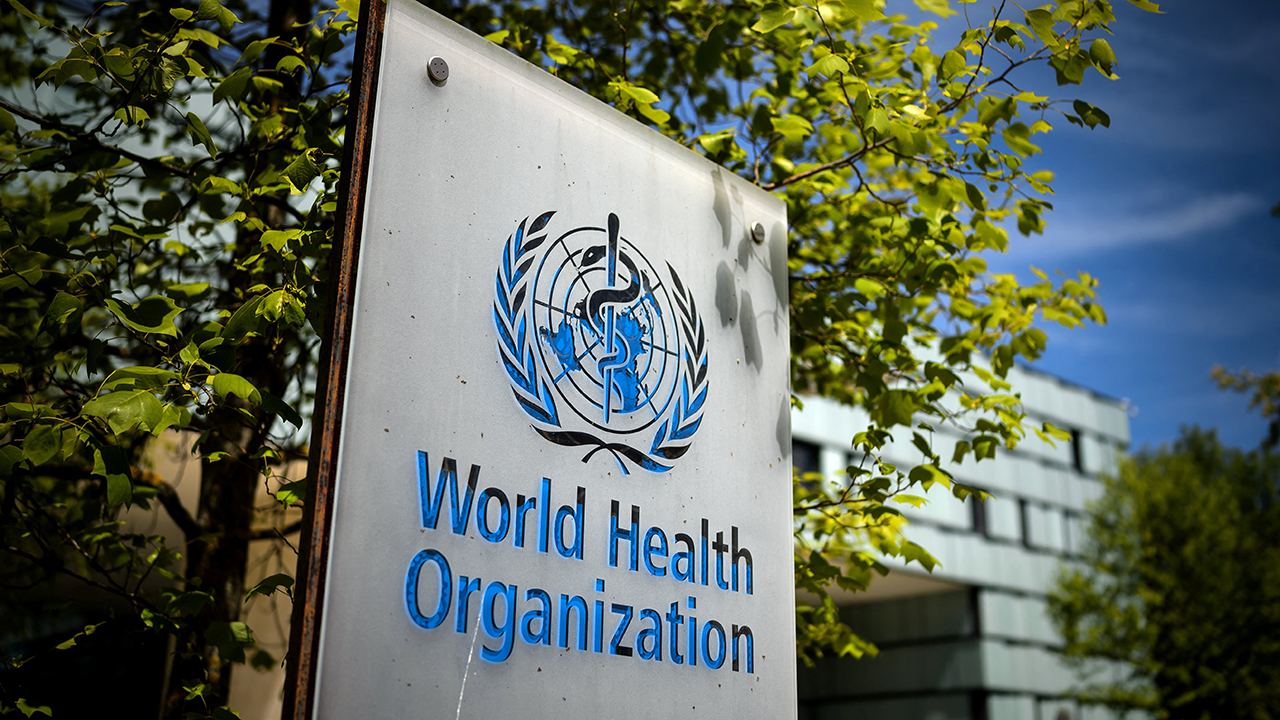
While the WHO has reorganised its senior management, global health experts claim the organisation continues to be “top-heavy”. The centralisation around its Director General and the head offices in Geneva has had a significant impact on the delivery of healthcare, slowing down responses to crises and limiting regional offices’ capabilities to be proactive.
When it comes to the application of global healthcare priorities, responsiveness and a nuanced understanding of the issues matter. Experts in the space, such as the Wellcome Trust, have argued for “bold ideas” to global health reform that would see power shift to regions and help amplify the sorts of cultural nuances in healthcare delivery experts based in Geneva frequently lack.
There is a growing agreement that considering and implementing cultural practices in medical settings can have a positive impact on healthcare outcomes. Evidence shows that respecting and integrating personal beliefs, whether that is religious rituals or traditional practices, often leads to better patient outcomes.
Despite this, the WHO has been extremely slow to take this onboard. Regional offices have to navigate both cultural and physical distance between Geneva and the remote areas where they do some of their most important work, thus hampering the life saving work they do. What’s more, the focus of expertise in Geneva reinforces Eurocentric attitudes towards healthcare, which can often lead to worse healthcare outcomes for many of the communities they are meant to be serving.
However, beyond the worse healthcare outcomes, the centralisation of expertise at the WHO has made running the organisation extremely expensive. Staff based in Geneva are paid more generally, but basing the staff there also incurs the costs of bringing expertise to regional centres and hosting them for the duration of their visit. This comes in the midst of the WHO facing an unprecedented funding crisis, following the withdrawal of the US and other major funders, which is expected to force huge workforce cuts.
Instead of adapting to the times, and respecting that regional experts will often be best placed to advise and lead on care delivery in their own homes, reforms at the WHO proceed at a snail’s pace. Today, the WHO needs to challenge the centralisation of knowledge and power if it is serious about improving global health and surviving an upheaval reshaping national priorities.
As funding shortfalls threaten the organisation’s work, it must make clear to its partners that it is determined to respect regional priorities, placing greater emphasis on decision-makers from those areas while upholding core standards of international cooperation. If it does not adapt, the organisation risks becoming obsolete, a relic of a time when people believed international organisations could be effective at bringing about change.