




















The impact of the civil war in Syria has left its economy badly scarred. Data from the UN Statistics Division showed that the biggest sectors, agriculture, manufacturing, and construction, all experienced negative growth rates of between -2.9% and -8.9% in 2023.
For these sectors to flourish once more, and for others to grow, not only do we need to see physical rebuilding and investment, but also the return of the business leaders in these fields who make up some of the millions of Syrian refugees still living in the surrounding countries of Jordan, Lebanon, Turkey, Egypt, Gulf and throughout the European Union.
These talented individuals who fled during the revolution or left with the change of regime have the knowledge and expertise to help rebuild Syria’s economy. The new Government needs to provide incentives to encourage the return of skilled workers and in time attract foreign nationals.
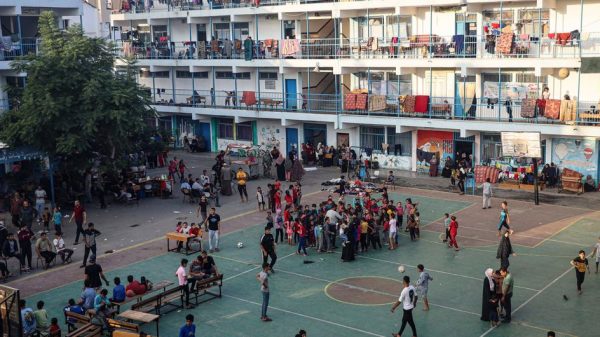
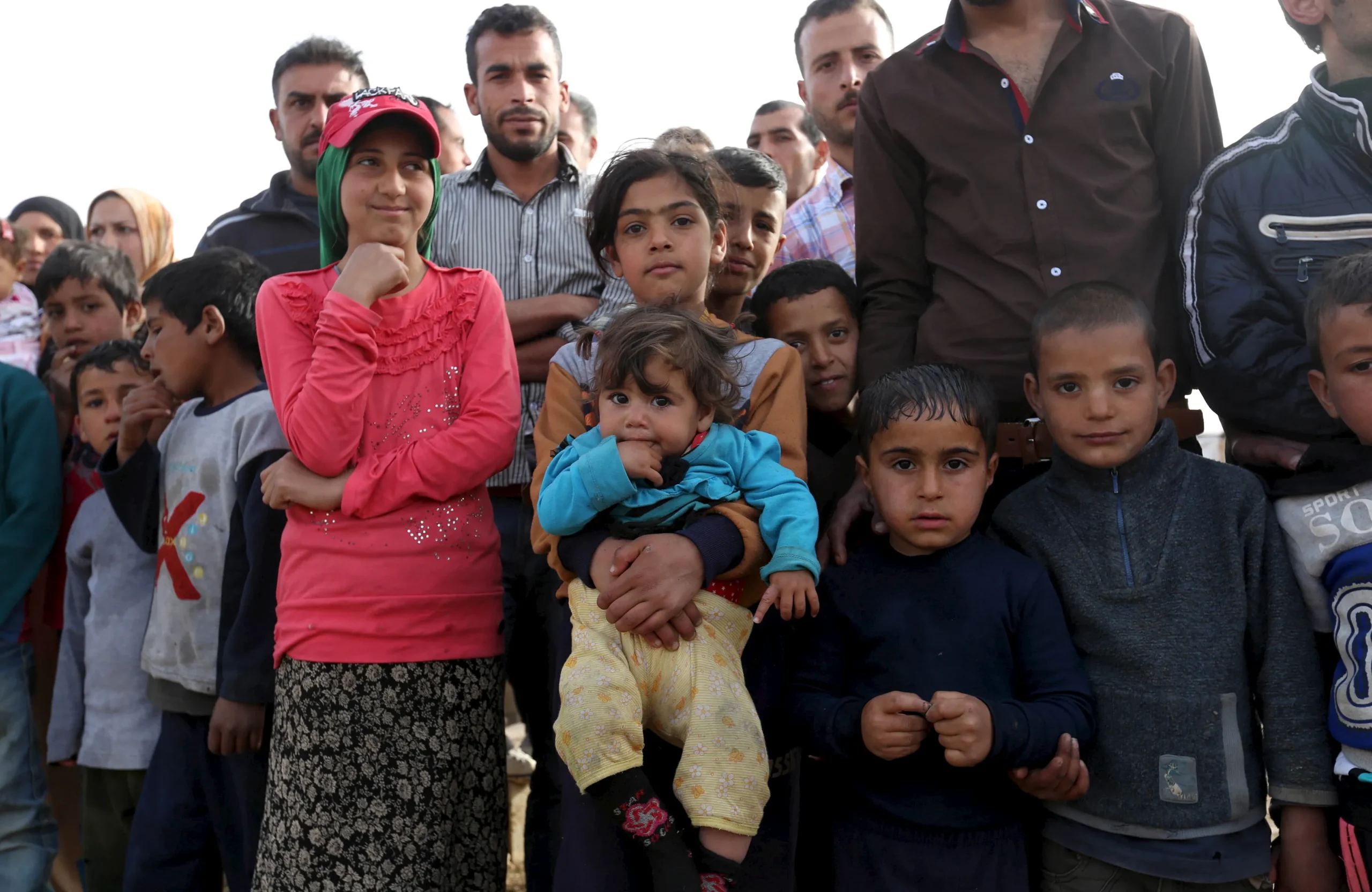
However, at the moment it is still unsafe to return, and there are very real concerns about political stability. Humanitarian aid is desperately needed: Syria’s medical sector is on the brink of collapse and nearly three million refugees and internally displaced persons have returned to find their homes reduced to rubble and basic services destroyed, along with a lack of employment opportunities. It’s estimated that 90% of people in Syria are living under the poverty line and one in four are jobless.
There’s a lot of work to be done. Reports estimate that, at current growth rates, Syria’s economy will not regain its pre-conflict GDP level before 2080. To shorten recovery to ten years, annual economic growth must rise six-fold to bring the economy in line to where it would have been without conflict.
So, how can the country begin to rebuild and encourage talented and skilled Syrians to return? Firstly, more investment is needed. Turkey has extended generous help and there is cautious optimism, but more FDI is crucial.
Some deals have been struck by the Al-Sharaa government to take a percentage of assets and capital from leading figures which is a good start but to be fully effective sanctions must also be removed. Several countries have taken this step already, allowing private investment and trade. Their removal will bring capital and expertise back into the fold and allow experienced business people to return.
Other moves include restarting the economy by granting import and export licenses to Syrian companies to allow them to play their role in growing the economy. However, whilst the US is planning to ease all sanctions on the country, they are also placing a 41% tariff on Syrian imports which is far from ideal.
The Syrian pound has suffered extreme devaluation, with Reuters reporting its lost more than 99% of its value since war erupted in 2011. The exchange rate is now around 10,000 pounds to the U.S. dollar, compared to 50 before the war. The new government has made efforts to address inflation and the devaluation of Syria’s currency, but this has so far had minimal effect.
Financial experts have called for the fostering of capital markets to help. The Al-Sharaa government is pushing ahead with privatisation of 107 companies including ports and factories to encourage outside investment but there are concerns on the impact this will have on Syrian citizens.
For now, Syrians watch and wait for a return to the lives they knew before the war years and remain hopeful for a brighter, more stable future.